
“They don’t make them like they used to” isn’t just grandpa-speak; it’s a sentiment that revs up debate among car enthusiasts worldwide. Modern cars pack tech that could make the Starship Enterprise jealous, but does that mean they’re built to last, or just built to be replaced? We’ve sifted through the gears and greased palms to spotlight what makes each model tick, and the results might leave you trading in that souped-up ride for something a little more classic.
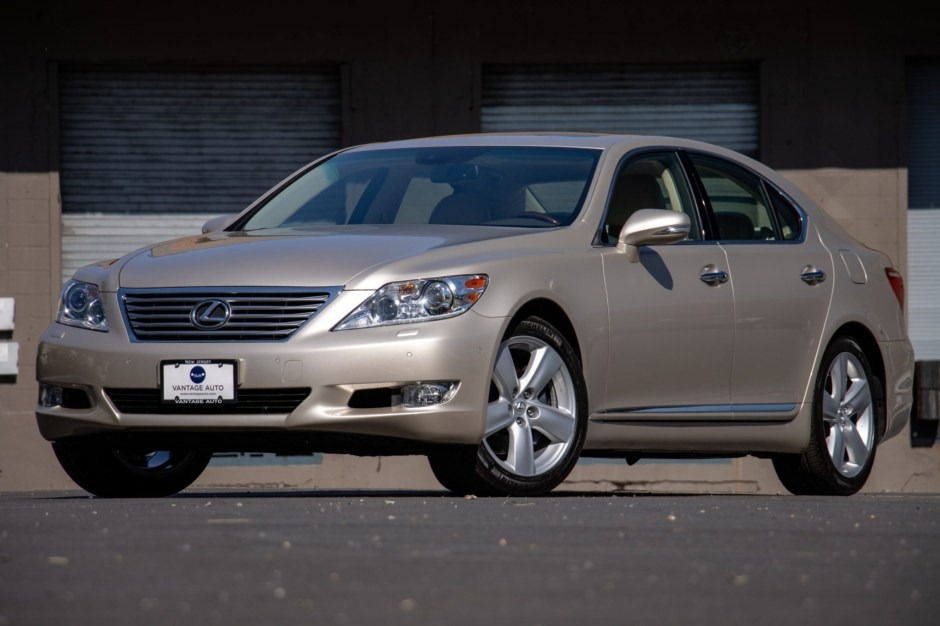
16. 2005 Lexus LS430 (Exterior)
 *******************@*********76.jpg” alt=”” class=”wp-image-349573″ srcset=”https://www.gadgetreview.com/wp-content/uploads/im*******************@*********76.jpg 1024w, https://www.gadgetreview.com/wp-content/uploads/im*******************@********80.jpg 320w, https://www.gadgetreview.com/wp-content/uploads/im*******************@********70.jpg 480w, https://www.gadgetreview.com/wp-content/uploads/im*******************@******36.jpg 64w, https://www.gadgetreview.com/wp-content/uploads/im*******************@******45.jpg 80w, https://www.gadgetreview.com/wp-content/uploads/im*******************@********35.jpg 240w, https://www.gadgetreview.com/wp-content/uploads/im*******************@********38.jpg 600w, https://www.gadgetreview.com/wp-content/uploads/im*******************@*********75.jpg 1200w, https://www.gadgetreview.com/wp-content/uploads/im*******************@**.jpg 1500w” sizes=”(max-width: 1024px) 100vw, 1024px”>
This luxury sedan proves that sometimes, older really is bolder.
Automotive lifespans have stretched considerably since the days of carburetor ice and points ignition, so seeing a car crest a quarter-million miles isn’t such a shock anymore. Unlike some fragile, new rides, the 2005 Lexus LS430 hits that milestone and keeps going. Some owners report racking up over 250,000 miles before even thinking about retirement. Road trips feel less like gambles and more like that scene in Risky Business: smooth sailing and zero worries, except maybe about gas prices.
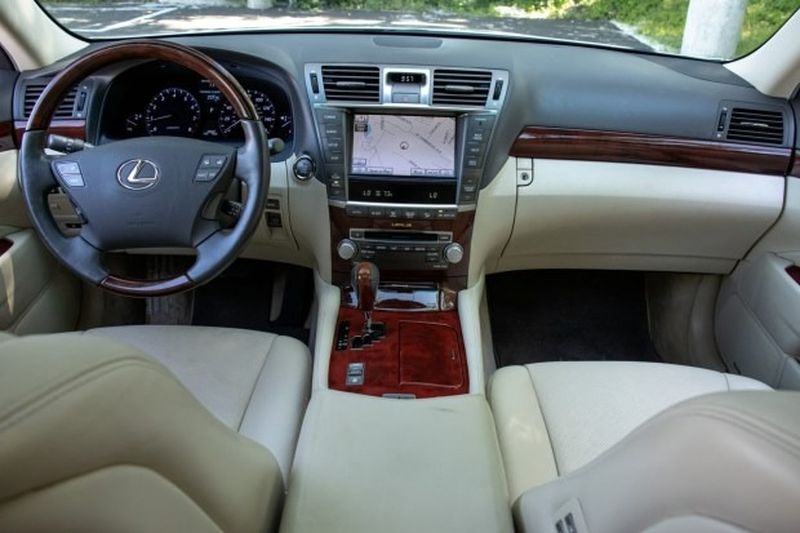
2005 Lexus LS430 (Interior)
 *******************@*********76.jpg” alt=”” class=”wp-image-349574″ srcset=”https://www.gadgetreview.com/wp-content/uploads/im*******************@*********76.jpg 1024w, https://www.gadgetreview.com/wp-content/uploads/im*******************@********80.jpg 320w, https://www.gadgetreview.com/wp-content/uploads/im*******************@********70.jpg 480w, https://www.gadgetreview.com/wp-content/uploads/im*******************@******36.jpg 64w, https://www.gadgetreview.com/wp-content/uploads/im*******************@******45.jpg 80w, https://www.gadgetreview.com/wp-content/uploads/im*******************@********35.jpg 240w, https://www.gadgetreview.com/wp-content/uploads/im*******************@********38.jpg 600w, https://www.gadgetreview.com/wp-content/uploads/im*******************@*********75.jpg 1200w, https://www.gadgetreview.com/wp-content/uploads/im*******************@**.jpg 1500w” sizes=”(max-width: 1024px) 100vw, 1024px”>
Anecdotally, LS430 owners claim their rides ran like champions for years. Sure, a few mention minor electronic quirks cropping up over time, but the consensus says the LS430 remains mechanically solid with reliable engine performance. Think of it as the automotive equivalent of a well-aged George Clooney: still handsome and dependable. Overall, the build quality screams “meticulous” rather than “disposable.”
15. 2012 Lexus LS460 [Exterior]
Modern luxury meets modern problems—transmission failure edition.
Modern cars failing sooner? That’s not just imagination playing tricks. Take the 2012 Lexus LS460: a ride that should be cruising smoothly, but instead might leave you stranded on the highway thinking, “Is this my life now?” Some owners report transmission issues around 140,000-150,000 miles—though this isn’t documented as a widespread problem across all models.
2012 Lexus LS460 [Interior]
Cars cruising down the highway suddenly decide third gear is their happy place. No shifting beyond that. What was once a mark of reliability now feels like a cynical joke. Repairs on these newer models can cost more than therapy to deal with the frustration—and way more than fixing up your grandpa’s old beater.
14. 1999 BMW 323is E36 [Exterior]
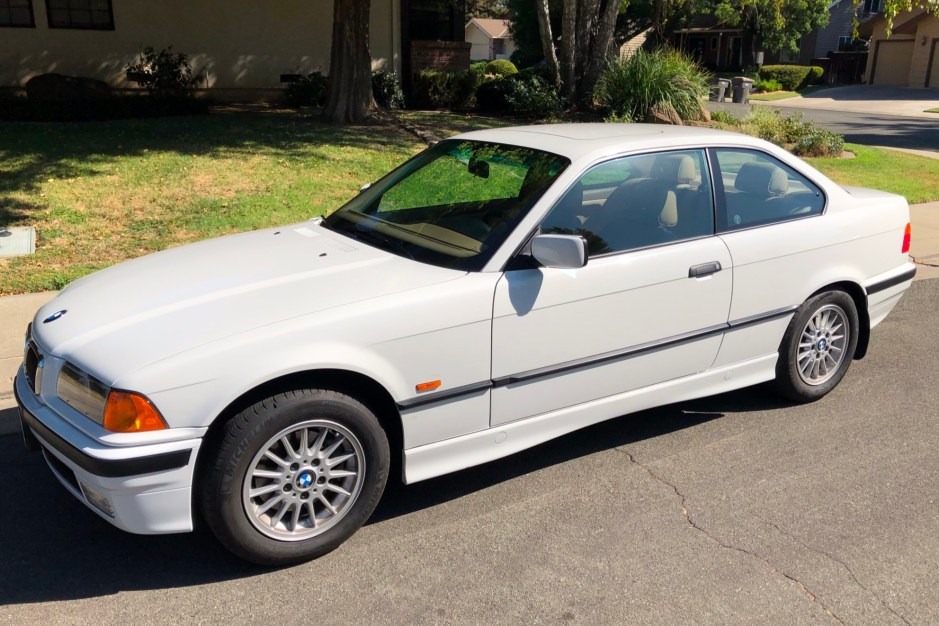
Classic German engineering that’s equal parts charming and demanding.
Ever wonder if owning an older car is like dating a high-maintenance celebrity? The 1999 BMW 323is E36 boasts a 2.5-liter inline-six engine, which in gearhead speak means it’s got enough juice to make things interesting. Sure, it might spring an oil leak faster than your grandma spills tea, but who doesn’t need a little character?
1999 BMW 323is E36 [Interior]
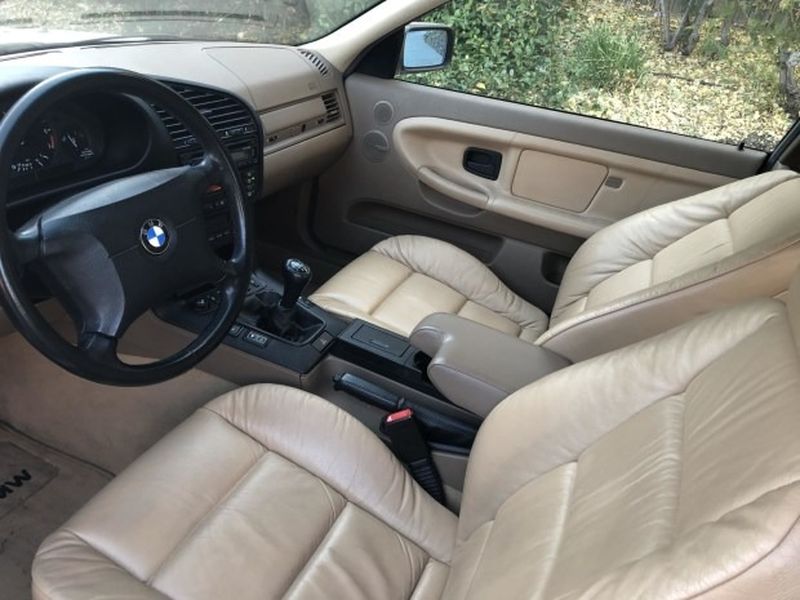
Most E36s have been daily drivers that keep going if you don’t mind getting greasy. Saturday afternoons find owners wrenching away because of oil leaks, suddenly elbow-deep in the engine bay, swapping gaskets like surgeons—except the patient is a beloved Bimmer. Dashboard lights might throw a rave at 3 a.m., but that’s part of the charm. Occasional servicing aside, it’s totally drivable daily.
13. Ford Broncos and Mavericks [Exterior]
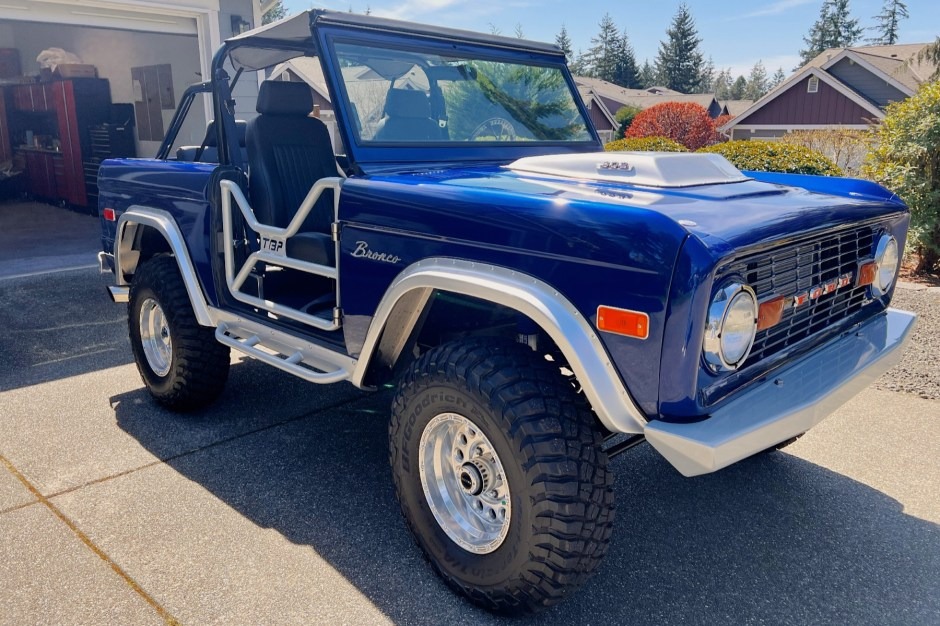
When “Built Ford Tough” meets reality checks via recall notices.
Automotive recalls are about as welcome as a surprise visit from your in-laws. A recent announcement impacts approximately 270,000 Ford Broncos and Mavericks. Drivers picture themselves as heroes of their own car commercials, then BAM! Manufacturing issues could mean these rides aren’t quite as reliable as expected.
Ford Broncos and Mavericks [Interior]
Ford stepped up, promising to fix problems and keep everyone safe. Think of it as Ford’s version of “We messed up, but we’ve got you.” Manufacturing problems are like unexpected plot twists in favorite shows, except instead of reaching for popcorn, owners reach for phones to schedule service appointments.
12. Toyota GR86 [Exterior]

When Toyota’s legendary reliability meets early-adopter syndrome.
“There’s no such thing as ‘unbreakable’,” according to mechanics, and some GR86 owners discovered this firsthand. Some have reported head gasket issues and engine problems in recent models—though these appear to be isolated incidents rather than systematic failures. Dropping over $30,000 on a brand-new sports car, only to face major repairs before the first oil change? Nightmare fuel.
Toyota GR86 [Interior]
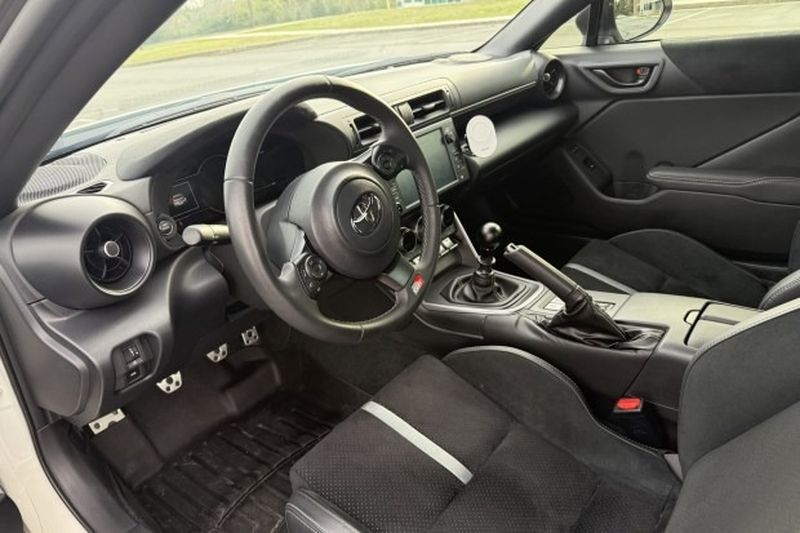
This is especially painful for Toyota, a brand practically synonymous with reliability. Sure, no manufacturer is perfect, but buyers expect Toyotas to run like tops for years—not end up as cautionary tales on car forums. Premium pricing should mean peace of mind, not future headaches.
11. Tesla EVs [Exterior]
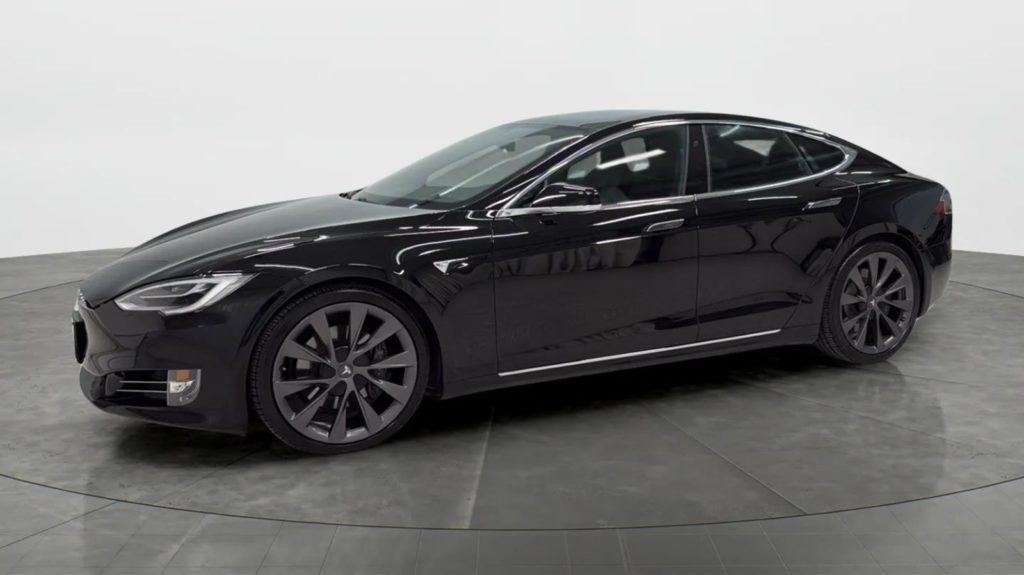
Electric dreams meet battery reality checks.
Thinking EVs are always cheaper to maintain is like believing every dating app profile. Sure, oil changes become history, but prepare for sticker shock when batteries inevitably degrade—usually after 8-15 years. Replacement costs range between $6,000 and $15,000, give or take.
Tesla EVs [Interior]
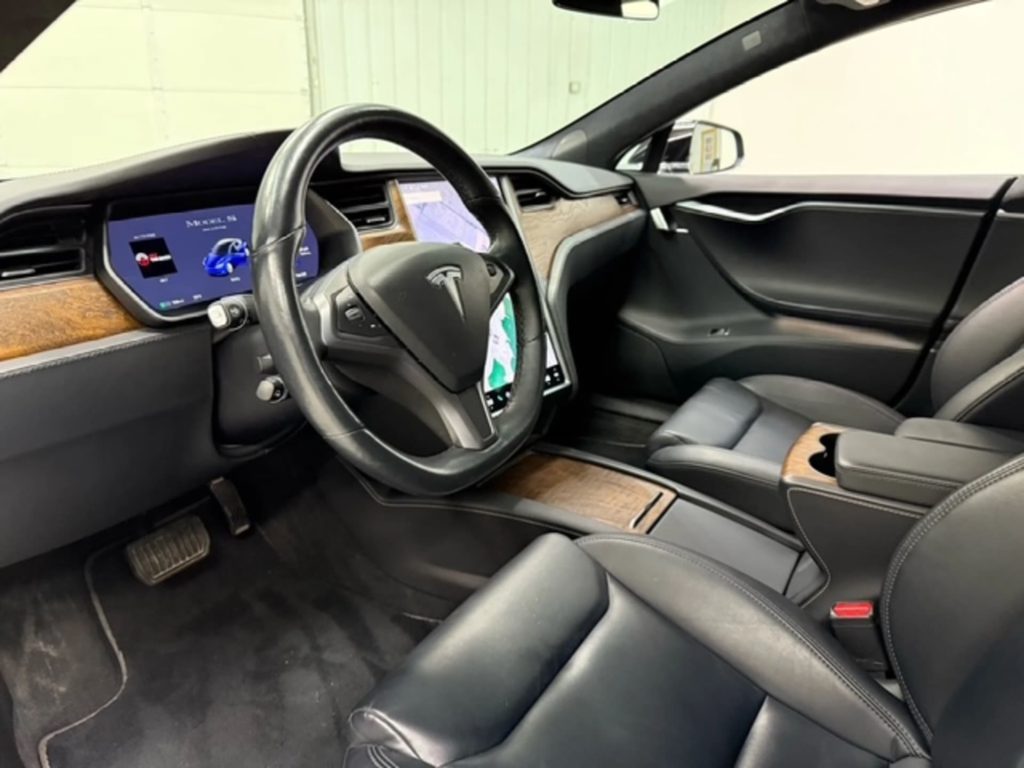
Tesla’s service center repairs mean limited options, pricewise. It’s a long-term commitment: like adopting a needy pet, better factor in those vet bills. While gas savings are real, remember the electric boogeyman lurking under that sleek chassis.
10. Modern Car Software Updates

When cars become smartphones on wheels—bugs included.
Modern cars update remotely, like phones, which is handy until bad downloads brick the ride. Over-the-air (OTA) updates aren’t universal across all modern cars—availability depends on specific models and manufacturers, not simply age.
This is where the right to repair debate gets real. Independent repair shops often struggle to access the same diagnostic software as dealerships, creating repair monopolies. Mechanics wrestle with proprietary software while dealerships charge $300/hour. Limited repair options mean kissing dreams of affordable fixes goodbye.
9. Planned Obsolescence

GM’s gift to automotive culture that keeps on giving.
GM helped popularize planned obsolescence back in the day with frequent styling tweaks and brand segmentation. Nowadays, it’s more like constant barrages of new tech updates and “improvements” every year. Anyone who’s leased knows the drill: by the time you’re ready to buy, they’ve already rolled out sexier models.
Compare that to grandpa’s 1965 Mustang, which probably still starts on the first try. Sure, new cars are safer and guzzle less gas, but all those computers and sensors? That’s just more stuff to break down. Don’t get started on proprietary software that locks out basic repairs.
8. Spare Parts Availability
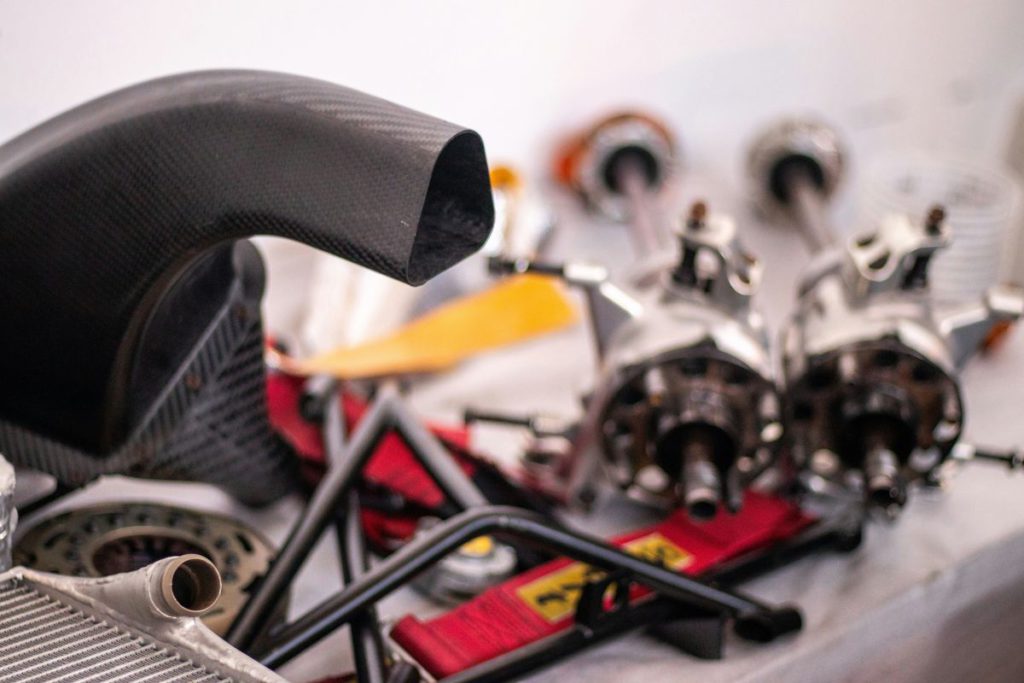
When keeping classics alive becomes a treasure hunt.
Parts availability varies dramatically by manufacturer and model age. Some automakers maintain parts support for decades, while others reduce availability much sooner. Tracking down components becomes scavenger hunts where used parts are gold. That dented fender from Jerry’s Auto Salvage becomes a ride’s saving grace.
Aftermarket manufacturers step in because capitalism works. They’re like transplant surgeons of the automotive world, keeping classics rolling with replacement kidneys and non-genuine livers. The hunt becomes part of classic car ownership culture.
7. Modern Materials

When plastic meets high-heat reality in engine bays.
Today’s cars use significantly more plastic in engine bays, replacing metal in places that would’ve made grandpas clutch their pearls. Automakers swear this isn’t about cutting corners—less weight equals better fuel economy, right? While classic Mustangs rocked all-metal setups, modern rides embrace the reality of Material Science.
Here’s where it gets dicey: rapid heating and cooling can turn some plastics brittle faster than relationships. Cars cruise along, then plastic connectors decide to tap out, leaving drivers stranded. Automakers claim new materials and testing have improved component life, but seeing plastic radiator hoses last 20 years would be more convincing.
6. Warranty Engineering

When warranties expire exactly when problems begin.
Automakers use life cycle tests to predict component longevity, but warranties sometimes resemble friends who bail right before bills arrive. Ball joints might last 80,000-90,000 miles, but if warranties tap out at 80,000, owners face huge repair bills. It’s like getting ghosted after third dates—unexpected financial gut-punches.
Warranties expire, then cars need pricey fixes. Automakers know approximately when parts will fail because of life cycle testing, which creates perverse incentives: cover parts just long enough to avoid most failures during warranty periods. Consider it automotive Squid Game; rigged games where houses always win.
5. Electrical Complexity

When cars become rolling computers with wheels attached.
Upwards of 40% of modern car costs trace back to electrical systems. How many cameras, sensors, and lines of code does it take before rides turn into silicon paperweights? Modern cars are more wired than conspiracy theorists’ basements, boasting everything from heads-up displays to 9-way adjustable seats.
Complex systems create more failure opportunities. Chasing gremlins through wiring mazes just to diagnose glitchy camera setups becomes the new normal. Because systems talk to each other, even simple repairs become labor-intensive, requiring specialized tools and software. Next time cars need fixes, remember: payments aren’t for parts—they’re for untangling digital spaghetti.
4. Software Dependencies

When cars need updates more than oil changes.
“They don’t make them like they used to” isn’t just grandpas yelling at clouds; it’s legitimate concern, especially when cars need software updates more than oil changes. Modern cars with OTA capability update remotely, like phones, which is handy until bad downloads brick vehicles—now that’s progress.
For those rocking classics, don’t expect OTA functionality—these systems depend on modern hardware and connectivity. Software updates aren’t cross-compatible, so 1967 Mustangs remain blissfully ignorant of autopilot. The real kicker? Avoiding dealership update visits means being at the mercy of buggy code and potential privacy breaches.
3. Right to Repair
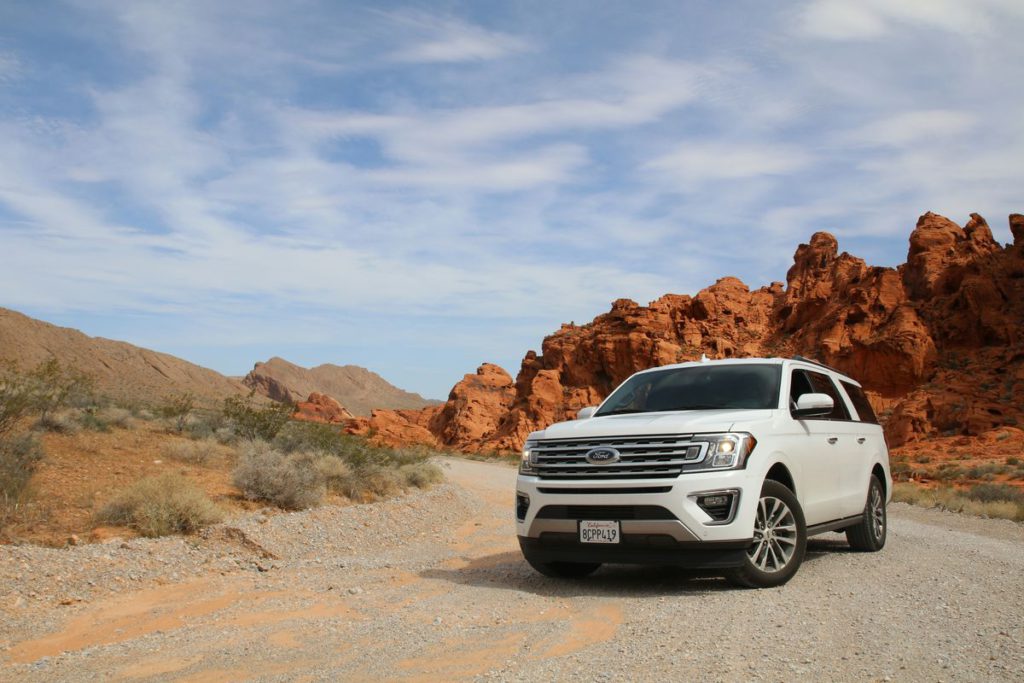
When fixing cars requires advanced degrees and proprietary tools.
“The right to repair” movement highlights how modern cars are designed to frustrate independent shops and DIYers. No dipsticks on newer cars? Seriously? Former mechanics gripe about manufacturers making newer models nearly impossible to fix. Car companies gatekeep rides, demanding owners grovel to dealerships.
Even local mechanics need specialized tools and advanced software just to change oil. Remember MacGyvering fixes with duct tape and wrenches? Now it’s like hacking the Pentagon with calculators. With advanced features, we’re handing keys to OEMs instead of keeping them in our own pockets.
2. Tesla’s Diagnostic Monopoly
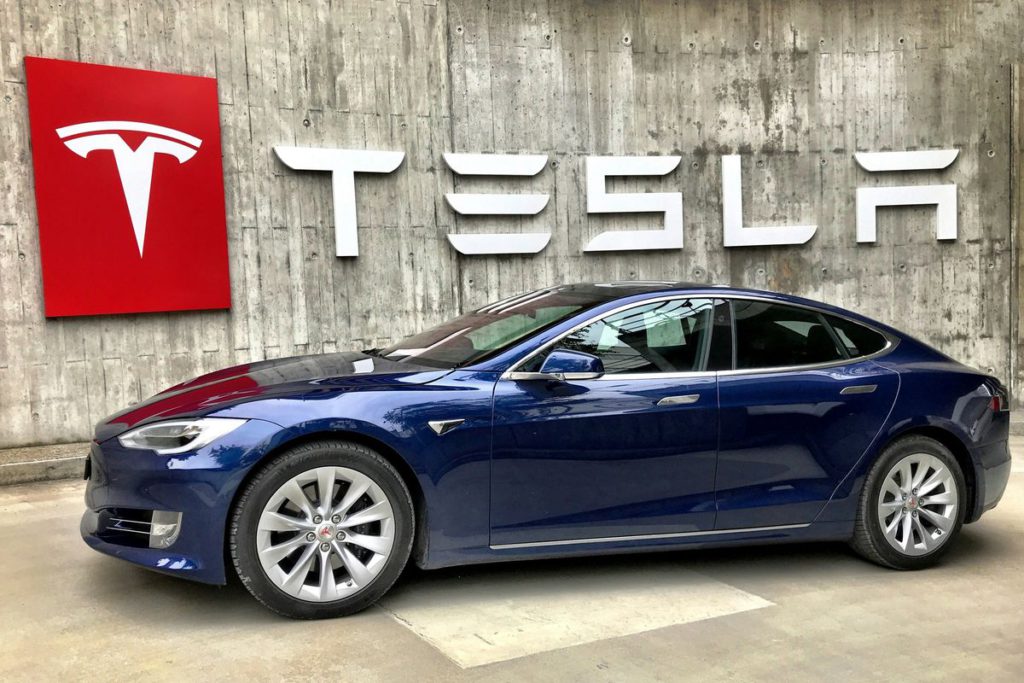
Proprietary systems that make Fort Knox look accessible.
Tesla‘s diagnostic software is tighter than Kardashian skincare routines. This isn’t about popping hoods and tinkering; it’s proprietary systems that are basically Fort Knox. Want to diagnose glitches? Head to Tesla service centers—Tesla uses company-owned service centers rather than traditional dealerships—because many independent shops face significant access limitations.
Software updates and electronic system maintenance require playing by Tesla’s rules. It’s like saying, “Sure, you own the car, but we control its brain.” Maybe that’s safer. Maybe it feels as restrictive as Britney circa 2007. Limited repair access creates disadvantages unless choice and affordable fixes matter.
1. EV Battery Degradation

When electric dreams meet expensive reality.
EV batteries begin losing capacity after approximately 8 years, and that’s when fun begins. Replacing these power packs can cost anywhere from $6,000 to $15,000. Think phones chained to outlets—except instead of $30 charging cables, face bills rivaling semesters at Clown College.
Worse yet, this isn’t DIY territory, so dealership trips become inevitable. Eight-year-old EVs losing steam mirror mid-life crises. Long drives become dreaded, spontaneous Vegas road trips get replaced by constant range anxiety. All because manufacturers and consumers have fundamentally different interests: they want showroom returns; owners just want things to work.
Last modified: December 30, 2025
About the Author: Chris Peters