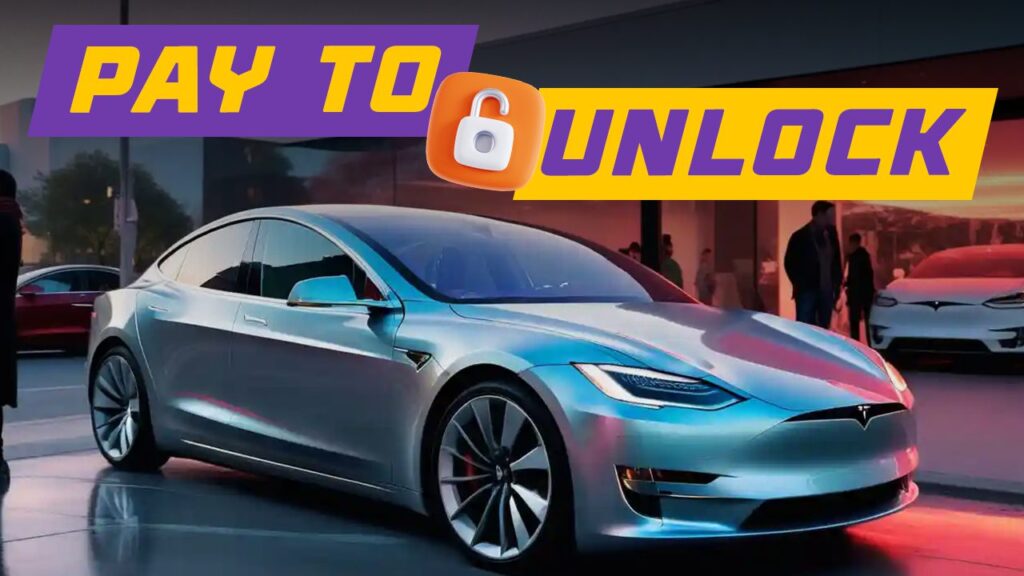
Car ownership used to mean driving until mechanical failure forced retirement—a badge of honor for thrifty drivers everywhere. Today’s vehicles are software platforms disguised as transportation, where that sleek infotainment system becomes obsolete faster than last year’s smartphone. Modern cars face digital death sentences that have nothing to do with engine health or body rust. Here’s why your next ride might not achieve classic status like that legendary 1997 Toyota 4Runner, and what this shift means for your wallet and sanity.
5. 1997 Toyota 4Runner (Exterior)
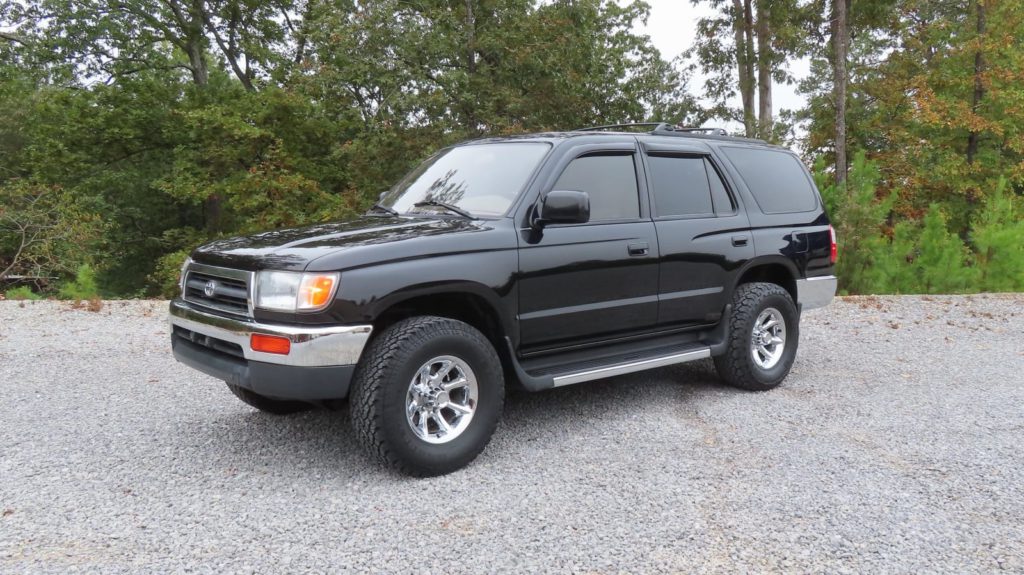
This mechanical marvel proves that sometimes older really is better.
Approaching 400,000 miles isn’t just impressive—it’s practically taunting today’s tech-heavy rides. Back in ’97, Toyota was building tanks disguised as SUVs. You could retrofit this beast with aftermarket heated leather seats, a Bluetooth-enabled radio, power everything, and still have room for that impulse kayak purchase.
1997 Toyota 4Runner (Interior)
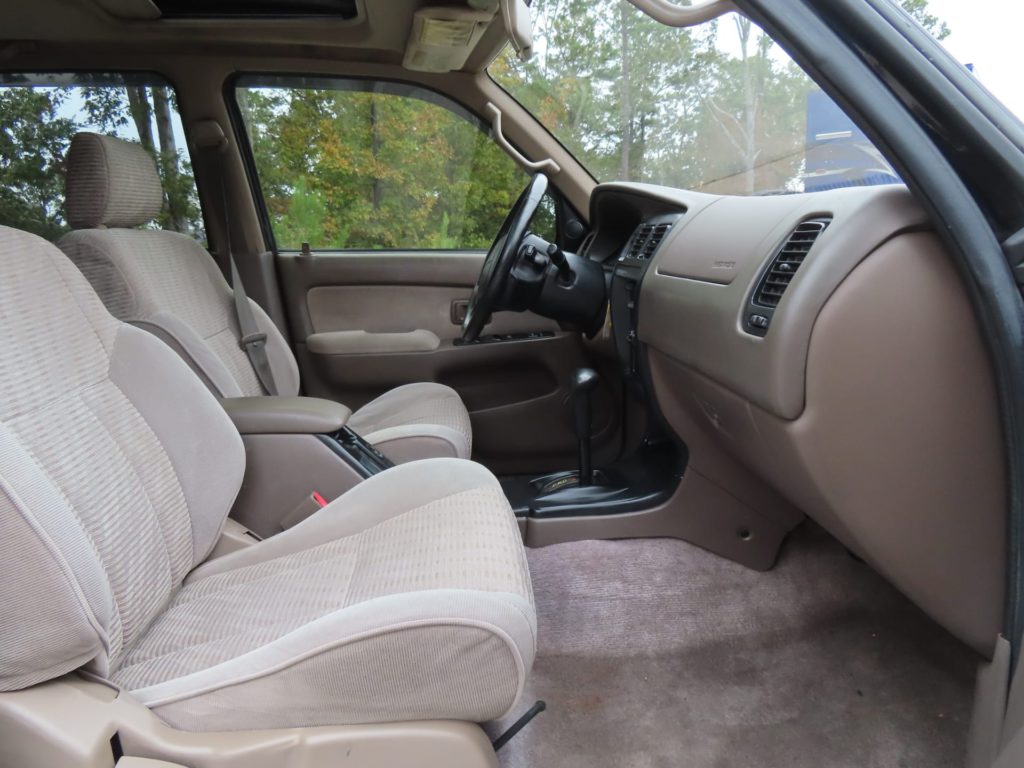
This 4Runner was the automotive equivalent of a reliable friend: not flashy, but always there when needed. Rolling down the highway with windows down, you knew this ride was more dependable than any dating app match. Sure, it won’t win races, but it’ll survive whatever life throws at it. The kicker? This mechanical warrior will probably outlast most touchscreens in showrooms today.
4. Tesla Grock AI Integration

Advanced AI features come with strings attached—expensive ones.
Tesla’s Grock AI integration isn’t a universal upgrade; compatibility requires specific hardware and subscriptions. Unlike older vehicles where basic tools solved most problems, this digital assistant demands a Model S, Model 3, Model X, Model Y, or Cybertruck with AMD processor and software version 2025.26 or later.
Without premium connectivity or decent Wi-Fi, you’re locked out entirely. It’s like those exclusive speakeasies: amazing if you qualify, frustrating if you don’t. The digital divide between “compatible” and “too old” vehicles grows wider with each software update, creating automotive haves and have-nots based purely on purchase timing.
3. 3G Sunset

When wireless networks shut down, car features vanish overnight.
Remember when car navigation systems felt cutting-edge? From the early 2000s through 2022, 3G networks powered everything from OnStar to turn-by-turn directions. Then carriers flipped the switch, and features disappeared faster than office snacks.
Acura, Audi, BMW, Ford, Tesla, and Volkswagen owners watched essential functions vanish. Navigation screens went blank. Emergency services stopped working. Upgrading wasn’t always possible, stranding drivers in digital darkness despite mechanically sound vehicles. This wasn’t gradual wear, it was instant obsolescence imposed by infrastructure changes beyond anyone’s control.
2. EV Battery Degradation
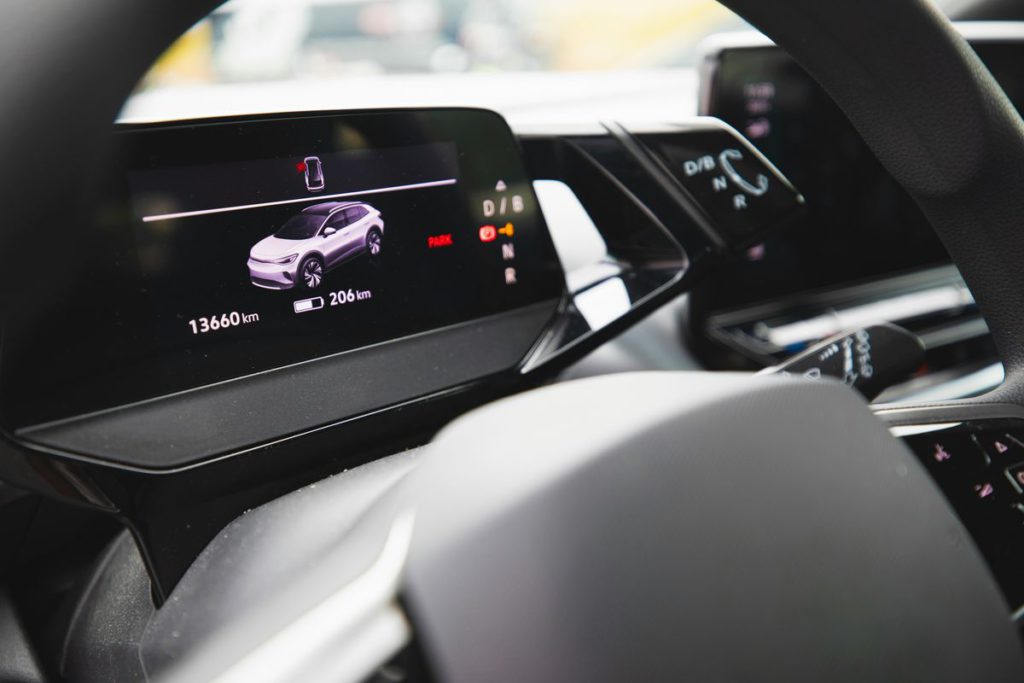
Electric vehicle batteries last longer than the horror stories suggest.
EV batteries get unfairly maligned for supposed short lifespans, but reality tells a different story. Average battery degradation runs about 1.8% annually, with most decline happening early in ownership—similar to smartphone battery patterns.
Modern EVs routinely hit 10-15 years and hundreds of thousands of miles before significant capacity loss. Battery technology keeps improving while degradation rates slow. The science contradicts the doomsday headlines, so next time someone predicts battery disaster, point them toward actual research instead of internet myths.
1. Modern Car Technology Integration
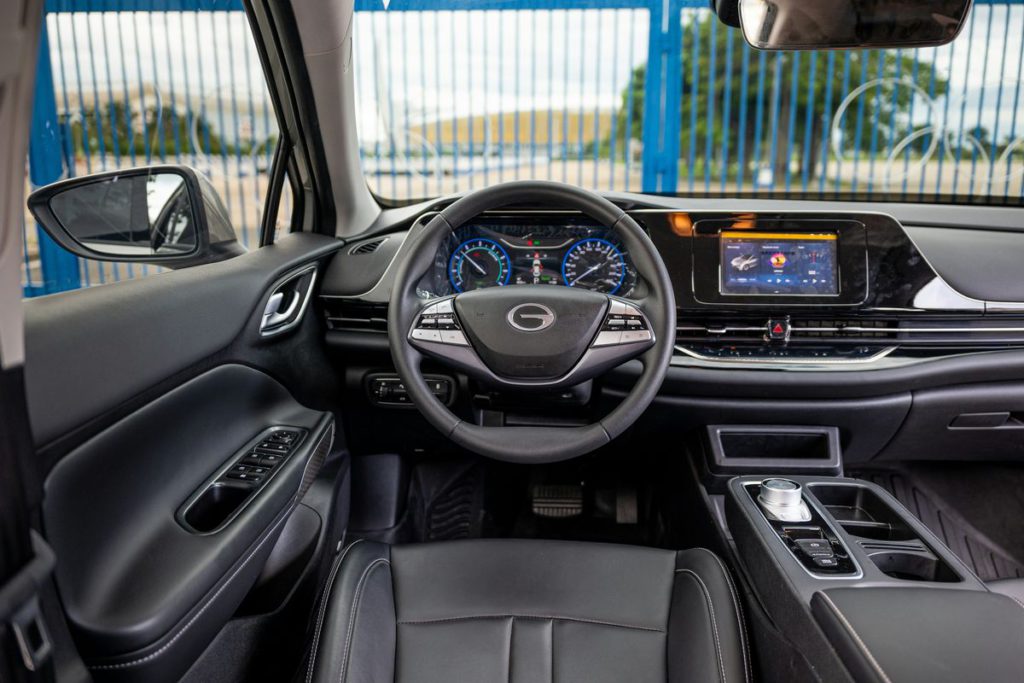
Software complexity creates new obsolescence patterns that ignore mechanical condition.
A 1997 Toyota 4Runner could realistically clock 200,000-400,000 miles before major failure. Today’s equation changed from “until the wheels fall off” to “until the software stops updating.” Massive screens, app integrations, and semi-autonomous features introduce planned obsolescence cycles.
Advanced AI assistants sound appealing until compatibility requirements exclude slightly older models. Some automakers even lock hardware features behind monthly subscriptions—like paying extra rent to use your own front door. Software problems can’t be solved with YouTube tutorials and basic tools, creating repair headaches that mechanical issues never caused.
Last modified: December 19, 2025
About the Author: Chris Peters