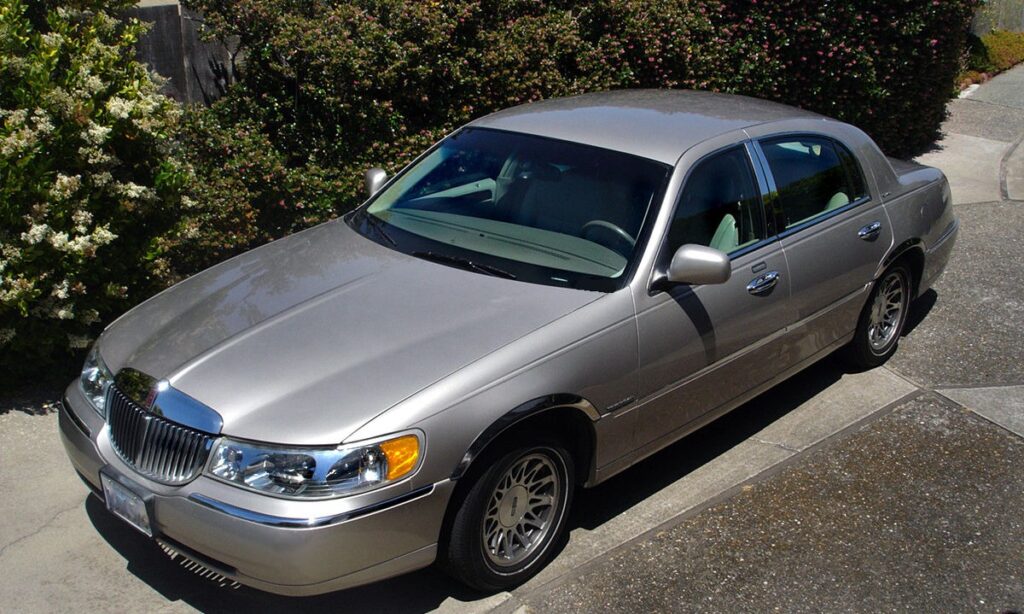
Your car sitting in the driveway faces worse odds than a Vegas slot machine. The U.S. averages over 41 million recalled vehicles annually—sometimes hitting 80 million in peak years. That’s against roughly 280 million total registered vehicles, meaning recalls have, in some years, exceeded the number of cars actually on the road. Even more unsettling: regulators report that roughly three-quarters of these campaigns target vehicles four years old or newer. Your relatively new ride isn’t aging into problems—it shipped with them.
Software Ate the Automobile
Modern cars contain millions of lines of code that regularly malfunction in dangerous ways.
Today’s vehicles pack dozens of electronic control units running millions of lines of code coordinating everything from braking to steering. Industry analyses show software glitches now account for roughly half of all recalls, with 2024 data revealing software issues affected 13.4 million vehicles—a 35% jump from the previous year. These aren’t infotainment hiccups. We’re talking brake-system warnings that fail to illuminate and stability-control malfunctions that compromise fundamental safety functions at highway speeds.
Rolling Beta Tests on Public Roads
Nearly 88% of recent recalls involve safety-critical systems that could cause crashes or injuries.
Recent recall analysis shows nearly 88% of affected vehicles involved safety-critical issues—brakes, fuel systems, collision prevention. Automakers compressed development cycles to rush EVs and software-defined vehicles to market, essentially turning public roads into testing grounds. When your power-control module randomly cuts engine power during merging or your back-over prevention system stops working in parking lots, you’re experiencing what amount to unresolved software-related defects that should have been caught before mass production.
Why Cars Fail Where Phones Succeed
Regulatory requirements and safety stakes make automotive software problems exponentially more visible and dangerous.
Your iPhone ships with bugs too, but when it crashes, you lose a text message, not steering control. Phones patch silently through overnight updates while most car recalls still require dealership visits, magnifying every defect’s visibility and impact. Regulators treat vehicles as safety-critical infrastructure where even small risks trigger formal campaigns, while consumer electronics operate under far looser oversight. The result: your smartphone is legitimately more reliable than your car—a sentence that would have sounded absurd just fifteen years ago.
Last modified: December 7, 2025
About the Author: Eric L.