
Motorcycle customization is hitting new highs, but so are the regulations designed to keep riders and everyone else safe. States like California and New York are cracking down with stricter enforcement, while federal laws add another layer of complexity. Modifying your bike without understanding the rules can lead to fines, impoundment, or even federal charges. Think of it as playing legal roulette with your ride—except the house always wins, and the chips are your hard-earned cash.
10. Helmet Spikes and Mohawks

Those edgy decorations could turn your helmet into a medieval weapon during a crash.
Spiking your helmet might feel rebellious, but crash dynamics tell a different story. Many states ban decorations extending beyond the helmet surface because that harmless plastic becomes a projectile in an accident. California sets the limit at 2/10 of an inch—roughly two credit cards thick. Officers across multiple states now confiscate non-compliant helmets during enforcement sweeps.
Think of it as safety regulations meeting basic physics. Your skull doesn’t need extra puncture hazards when asphalt gets involved. Skip the spikes and keep both your style and your cranium intact.
9. Fender Eliminator Kits & Removed Fenders
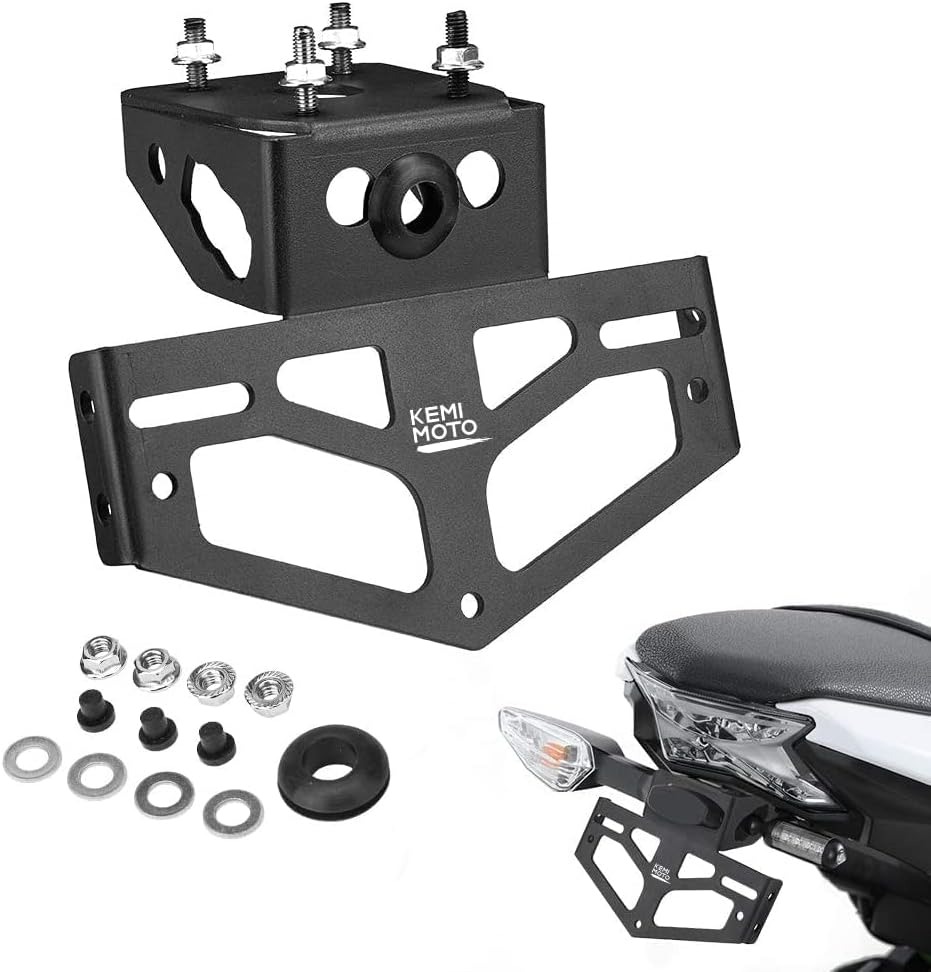
Rear fenders protect everyone from dangerous road debris—removing them invites legal trouble.
Those bulky rear fenders serve a crucial purpose beyond aesthetics. Without them, your bike kicks up rocks, gravel, and debris into other drivers’ windshields, potentially causing accidents. California Vehicle Code 27600 mandates fenders for good reason. Violations can trigger fines of $250 or more, and if debris from your modified bike causes an accident, insurance companies will deny your claim faster than you can say “road rash.”
The legal logic is simple: your style choices shouldn’t endanger other motorists. Keep the fenders and keep the peace.
8. Removing Required Mirrors
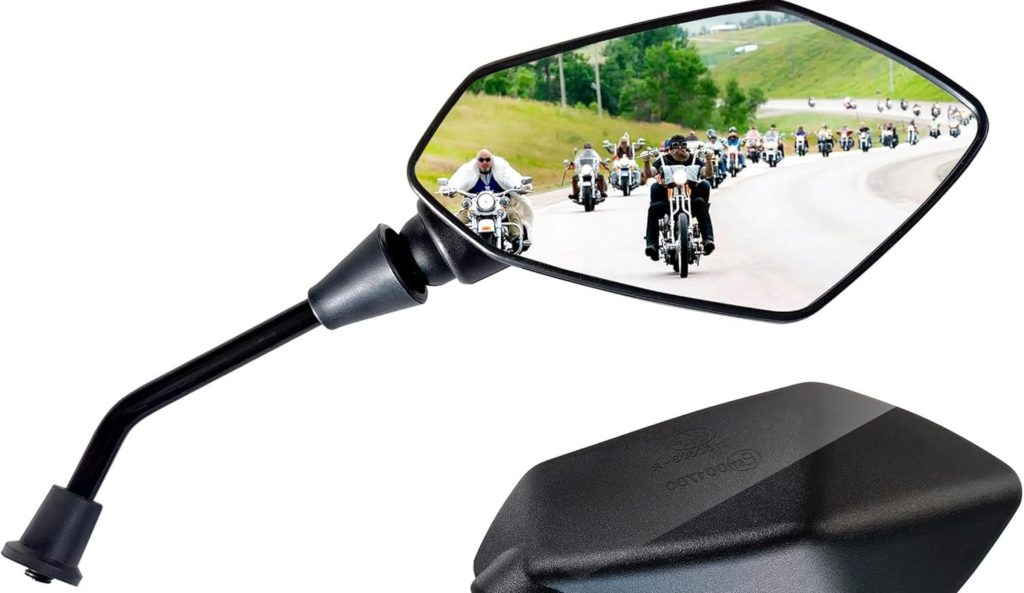
Missing mirrors increase crash rates and guarantee legal citations.
Most states mandate at least one mirror for obvious safety reasons. California Vehicle Code 26709 specifically requires mirrors, making your minimalist aesthetic dreams expensive. Removing mirrors creates dangerous blind spots—imagine trying to merge without seeing approaching vehicles. Traffic citations for missing mirrors are routine, and the increased accident liability isn’t worth any aesthetic gain.
Anyone who’s navigated heavy traffic knows mirrors aren’t optional equipment. They’re survival tools disguised as regulation.
7. Get Back Whips
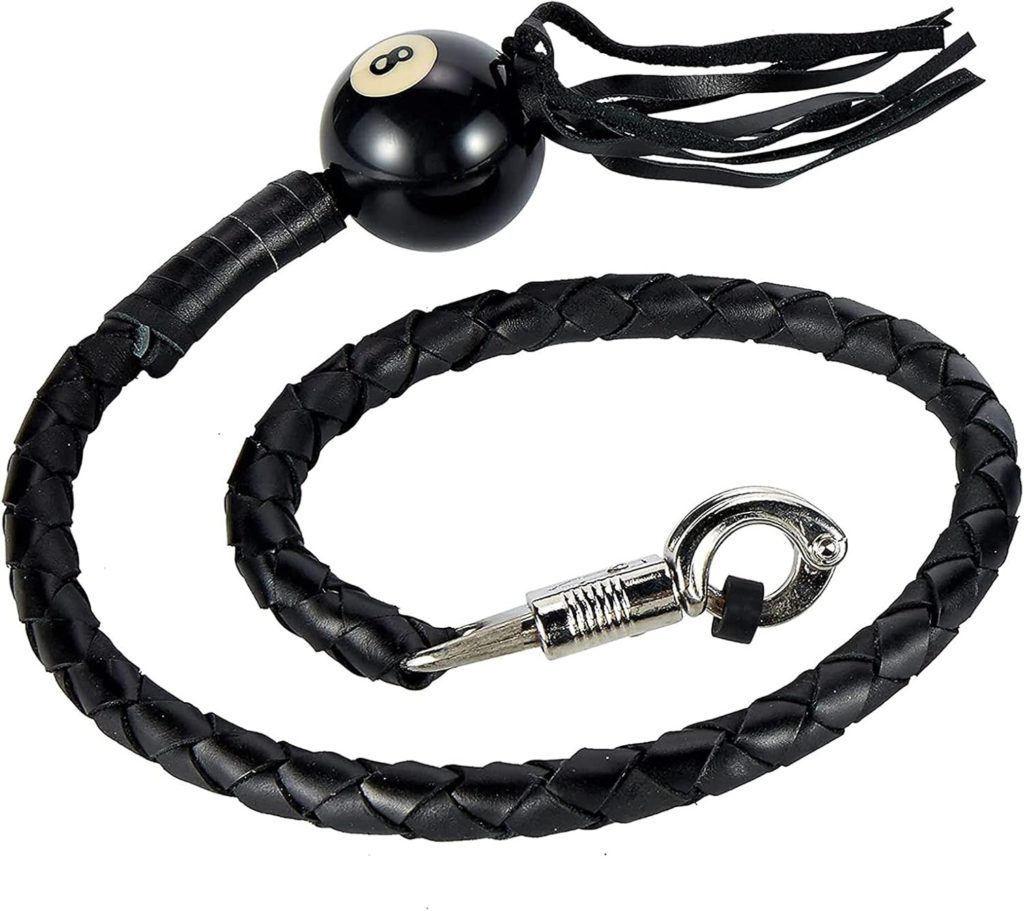
These leather accessories can trigger weapon charges in several states.
Dating back to 1960s motorcycle clubs, get back whips originally served as detachable weapons when needed. Today, several states classify them as prohibited accessories, with possession potentially leading to weapon charges. A simple traffic stop can escalate quickly when officers spot these items. Insurance companies view get back whips as evidence of risky behavior, potentially impacting rates or coverage.
The modern reality is harsh: what started as practical club gear now carries serious legal baggage that’s rarely worth the risk.
6. High Handlebars and Ape Hangers
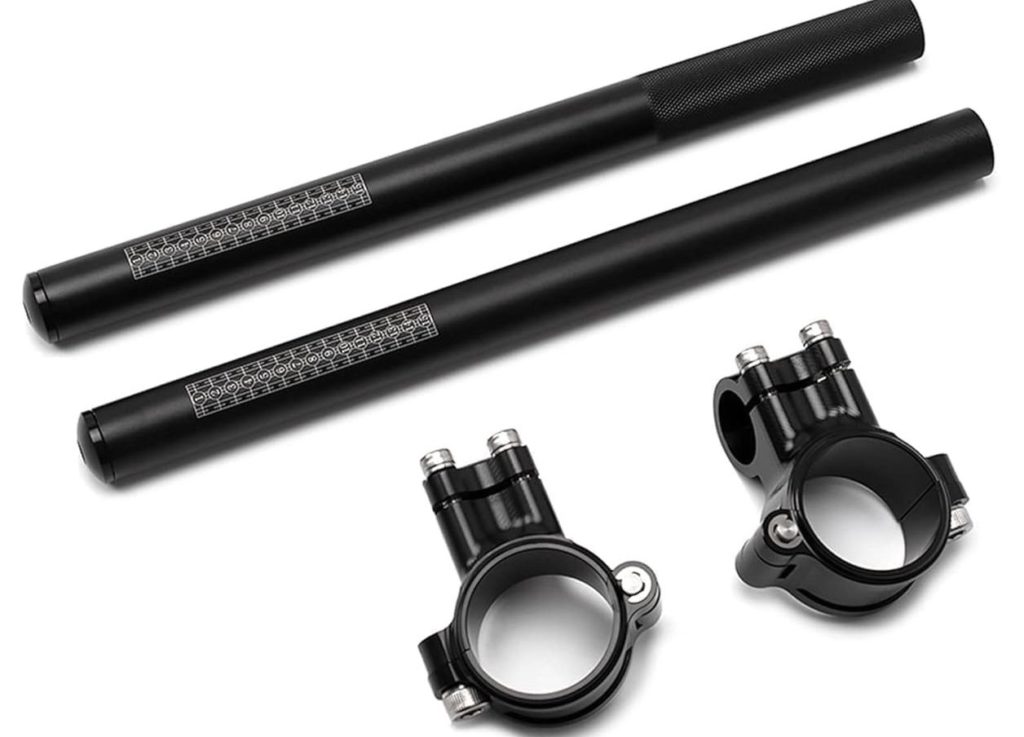
Sky-high handlebars look cool but compromise control during emergencies.
Those chopper-style handlebars create serious control issues when quick maneuvering matters most. California and Oregon limit handlebar height to shoulder level for safety reasons. Violations typically result in fix-it tickets around $250, turning your statement piece into an expensive mistake.
Emergency steering with ape hangers is like playing drums with oven mitts—technically possible, but far from ideal when seconds count.
5. Exhaust Cutouts

Muffler bypass devices invite fines and vehicle impoundment in several states.
Exhaust cutouts let you switch between quiet operation and maximum noise, but states like Arizona, California, and Kansas aggressively ticket violations. Forgetting to close that cutout in a quiet neighborhood is like forgetting to mute yourself on a video call—except instead of embarrassment, you get fines and potential impoundment.
The instant gratification of loud pipes rarely justifies the long-term legal headaches and community complaints that follow.
4. Colored Headlights
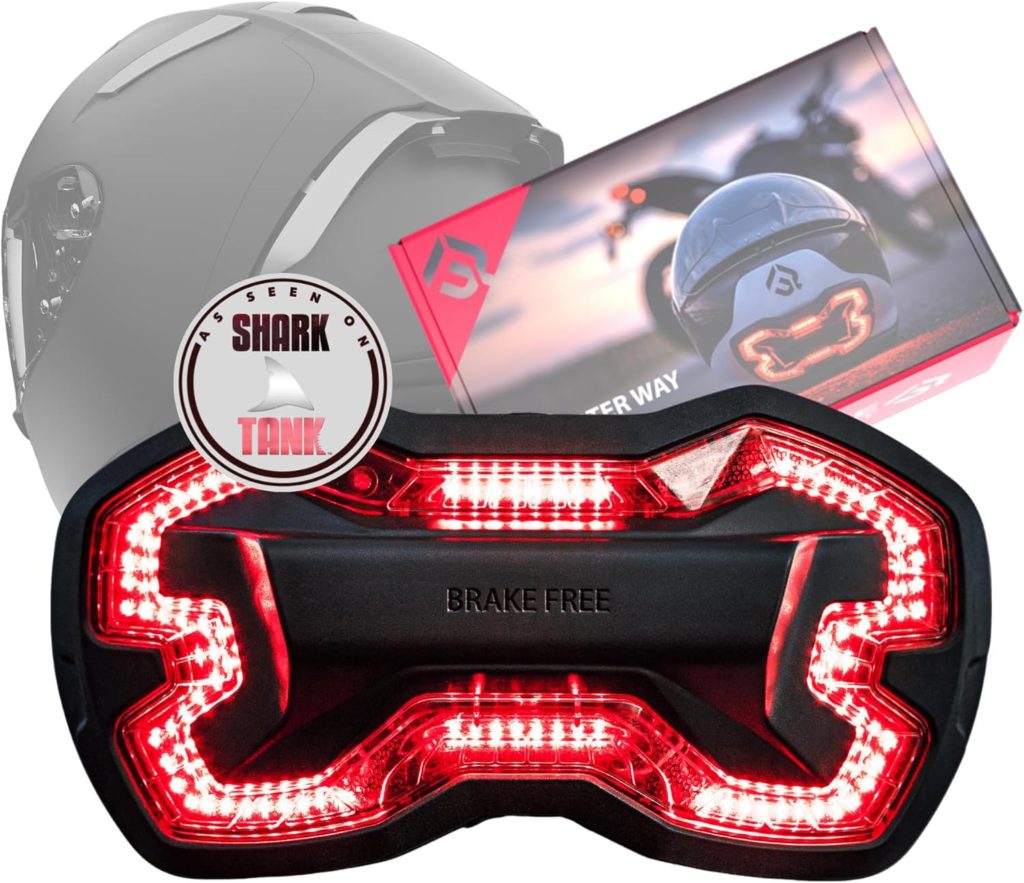
Non-standard lighting colors reduce visibility and violate safety codes nationwide.
White and yellow lights offer optimal visibility, particularly at night. Colored headlights make it harder for drivers to judge your speed and distance, creating dangerous situations. California Vehicle Codes 25650-25651 specify white or yellow only, with violations carrying standard traffic fines.
The safety science is clear: visibility trumps style when lives are at stake. Save the disco lights for your garage.
3. Laser Jammers
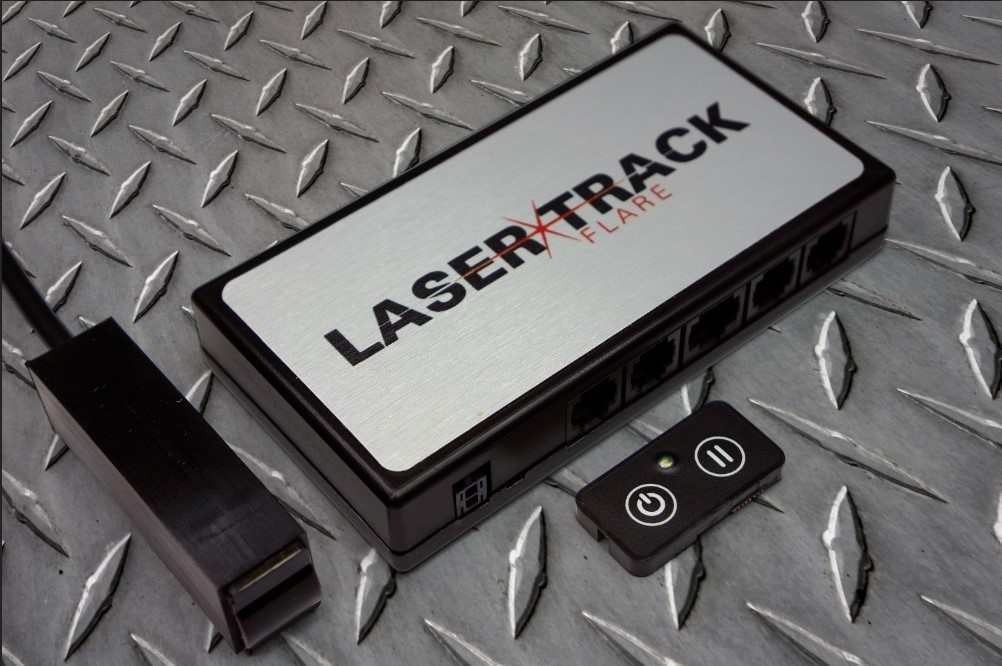
These devices interfere with police equipment and carry both state and federal penalties.
Laser jammers interfere with police speed detection equipment, earning aggressive enforcement responses. Fines start at $250 but escalate quickly since these devices fall under FCC regulations governing communication interference. A routine traffic stop can become a federal case when jamming equipment is involved.
The technology might work, but the legal consequences far outweigh any ticket-dodging benefits.
2. Loud Exhaust Systems
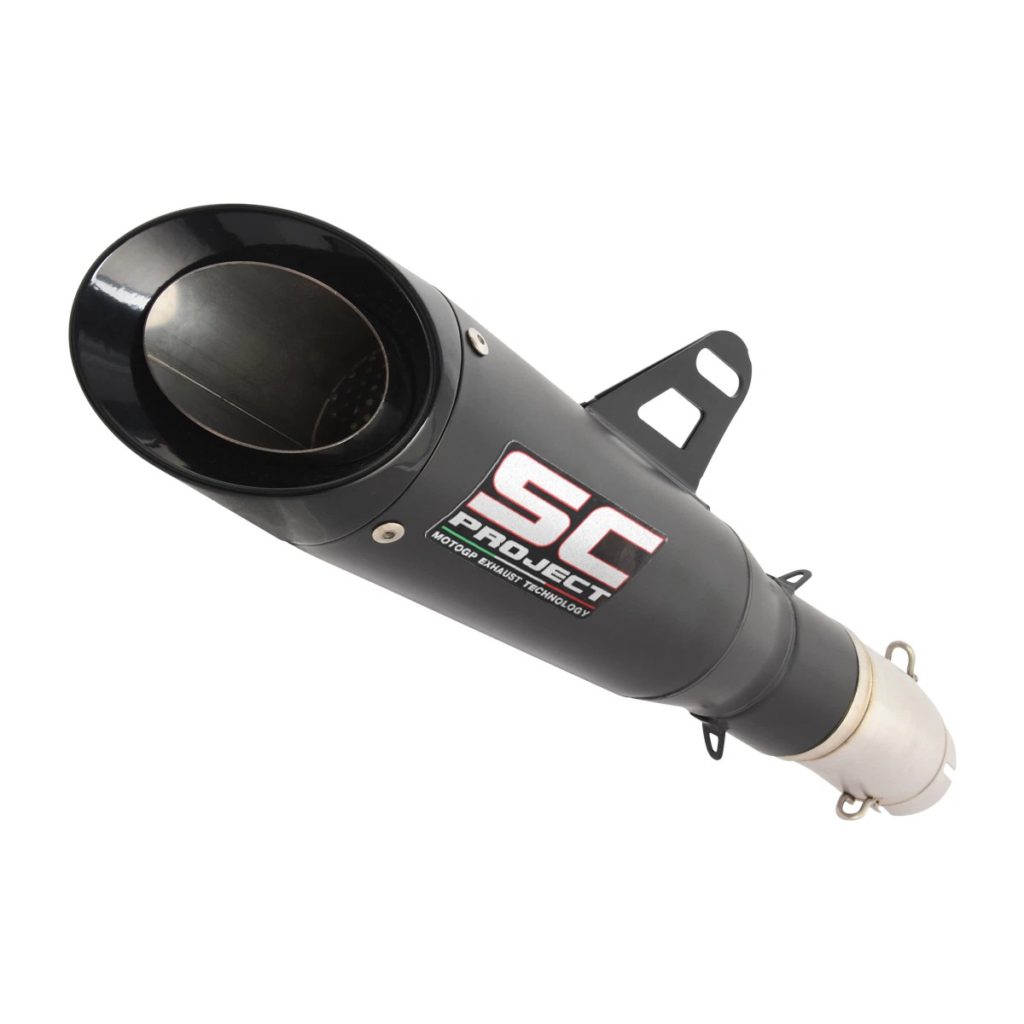
Noise pollution laws set specific decibel limits with serious enforcement backing.
California Vehicle Code 27202 limits motorcycles manufactured after 1985 to 80 decibels. Violations trigger immediate citations, and if illegal exhausts contribute to accidents, insurance coverage disappears. The “loud pipes save lives” myth doesn’t hold water in court when noise ordinances are violated.
Officers aren’t interested in joining your motorcycle symphony, especially when it violates established noise pollution standards.
1. Radar Jammers
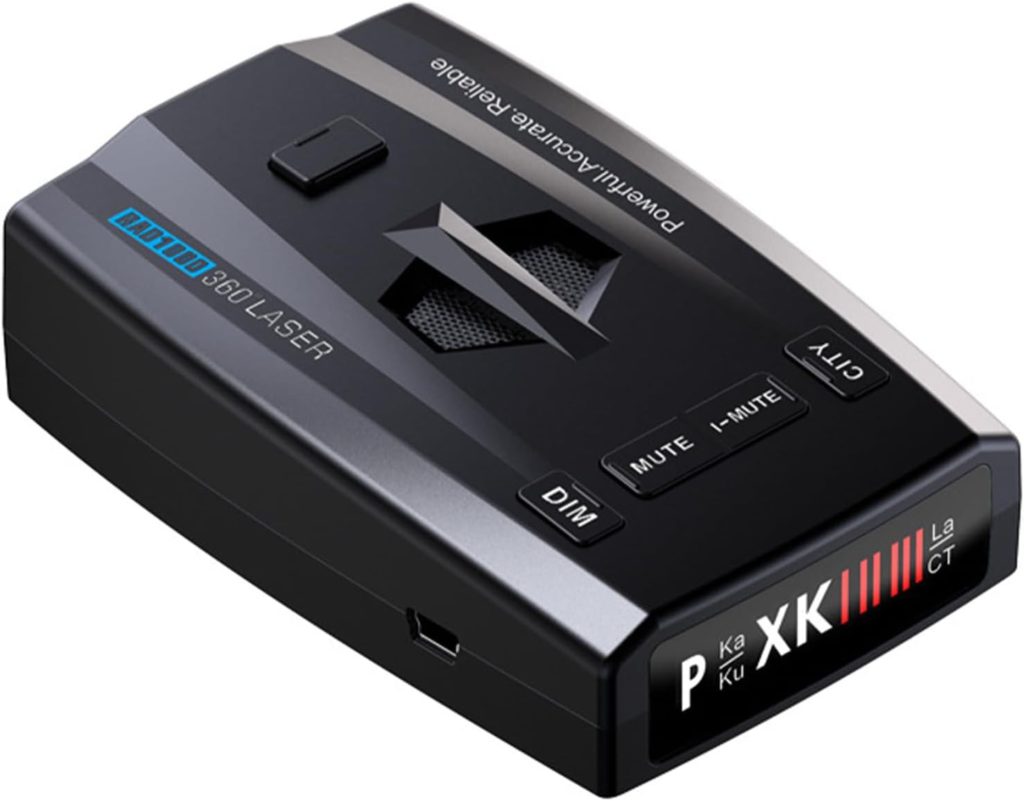
Federal law makes radar jamming devices completely illegal with serious criminal penalties.
The FCC considers radar jammers federal crimes, not state traffic violations. Using these devices can trigger criminal prosecutions that destroy careers and create permanent records. Unlike other modifications that result in fines, radar jammers cross into federal territory where consequences become life-altering.
Anyone considering this modification should remember that saving money on speeding tickets isn’t worth risking federal criminal charges.
Last modified: December 15, 2025
About the Author: Chris Peters